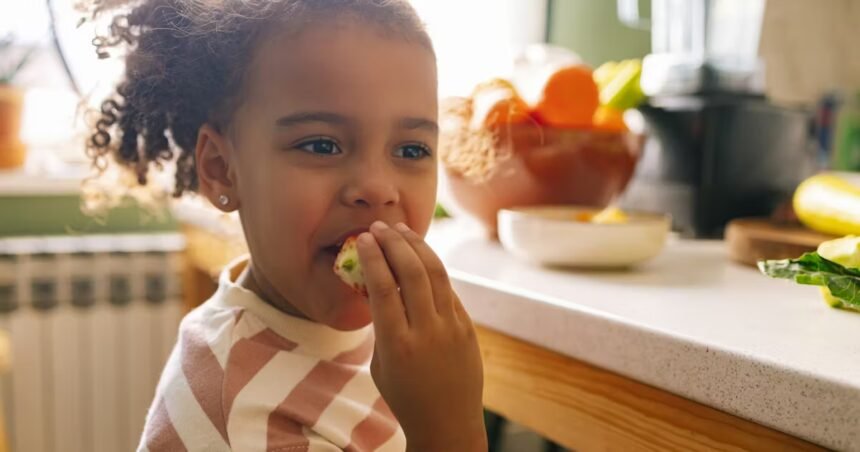
As a mother of a 5-year-old, I know how difficult it can be to get kids to try new foods. My son is bored with chicken and noodles at the same time, but is horrified every time I offer him a new option for dinner. If you’re raising young children who eat two things, you’re not alone. You’ve probably searched Google for the question, “Is it okay for my child to eat the same thing every day?” After all, we have to keep Ego and Driscoll’s shop running. Fortunately, pediatric nutritionists say a child’s nutrition isn’t determined by one day. It’s all about the big picture.
Is it okay for my child to eat the same thing every day?
It’s natural to want to have variety in the meals your child eats. But research shows that for young children at the peak of their picky eating habits (which, according to research, occurs between the ages of 2 and 5), it’s quite normal to request, say, chicken nuggets or strawberries at every meal.
“From a nutritional standpoint, it’s perfectly fine for children to rely on a small number of preferred foods, sometimes 10 or 20, for a period of time, especially during infancy and preschool,” says Johanna Katz, a registered dietitian at Consumer Health Digest and mother of two. “Even if these foods include protein, carbohydrates, fruits, and dairy products (such as chicken, fruit, yogurt, and grains), they still provide meaningful nutrition. Even adults are creatures of habit when it comes to dietary preferences, often changing the same core foods from week to week.”
There are two reasons why this isn’t a big deal, Katz says. 1. A complete protein you get from chicken one day is a complete protein the next day, whether it comes from chicken again or from another source. 2. When thinking about child nutrition, you need to think broader.
“In pediatric nutrition, a very common, evidence-based approach is to look at intake over time, rather than focusing on what is eaten during the day. Many nutritionists encourage parents to think in terms of days to weeks, because young children naturally self-regulate their intake and can have highly variable eating patterns based on growth, appetite, and development,” she says.
Should I let my child try new foods?
Well, yes and no, you should expose Change them to new foods. It’s not the end of the world if you’re currently subsisting on waffles and yogurt, but experts say now is also the time to introduce as many new foods as possible, even if you know your kids won’t eat them.
“Kids can never like something that is never offered to them. So if a child prefers to get their protein primarily from chicken, does that matter? Usually not, but if you only serve chicken, they won’t get more variety either,” says Aubrey Phelps, MS, RD, pediatric nutritionist, mother of four, and founder of Matresence Nutrition.
If you’re a picky eater, try the stoplight method, Phelps says. “Focusing on providing families with ‘safe food’ on their plates while ensuring mealtimes are calm and pressure-free – without bribing them to eat something, telling them to take a bite or trying to ‘earn’ dessert” is the best foundation for encouraging more food exploration.
She also uses Erin Sutter’s research-based division of responsibilities at home and with clients. That’s essentially it. As a parent, you are responsible for when, where, and what meals are served. Children are responsible for what and how much they eat.
“So I provide protein, color (vegetables and fruits), and healthy fats at every meal, and at least two of the three for snacks. But ultimately what I eat is determined by what’s served,” Phelps says.
This approach allows children to get used to new foods and muster up the courage to try them on their own. “Research in pediatric nutrition shows that children need repeated natural exposure to new foods, typically eight to 15 or more times, before acceptance occurs, and that acceptance increases simply through habituation, rather than pressure or incentives,” Katz added.
She agrees that providing your child with a plate of safe foods that you know they will eat, as well as small portions of new foods, without pressure to try it, is the best way to go. Sure, you can throw out ten bowls of mashed potatoes before your kids eat them, but that’s showbiz. Research also shows that family meals are important for children to understand you Eating a variety of foods.
“Modeling from parents is often more powerful than encouragement or negotiation. Research consistently shows that children are more likely to imitate what they see their parents do when it comes to eating than what they are told.” “Children often reflect the eating patterns, preferences, and attitudes they observe at home, even if those messages don’t exactly match what they hear,” she says.
“The message I wish more parents would hear is that repetition is not failure. It may be completely normal. If your child is currently eating the same few types of foods, they may still be perfectly adequate nutritionally, and with consistency, patience, and zero pressure at the table, you can gradually build variety over time,” says Katz. “The whole idea is to develop a healthy relationship with food and build a balanced eating pattern over time.”
So it’s actually perfectly fine for your child to repeat the same meals every day, as long as they’re getting protein, fruit, healthy fats, grains, and at least in the same room as the broccoli. They will eventually get used to the idea.