As the summer heat intensifies, parents are being urged to look beyond the dinner plate and focus on the water bottle. While nutrition often dominates the conversation around child development, hydration remains a frequently overlooked essential for physical and mental wellbeing.
“Food often takes centre stage in discussions about nutrition, but hydration is equally important,” explains Mbali Mapholi, a Registered Dietitian. From digestion and temperature regulation to mood and cognitive function, the young body depends on a steady intake of fluids to operate effectively.
Physiological vulnerability: children are significantly more susceptible… Their higher metabolic rates, smaller bodies, and still-maturing kidneys mean they lose fluids rapidly. Crucially, children are often the least aware of their own needs; they rarely recognise the sensation of thirst until they are already experiencing a deficit.
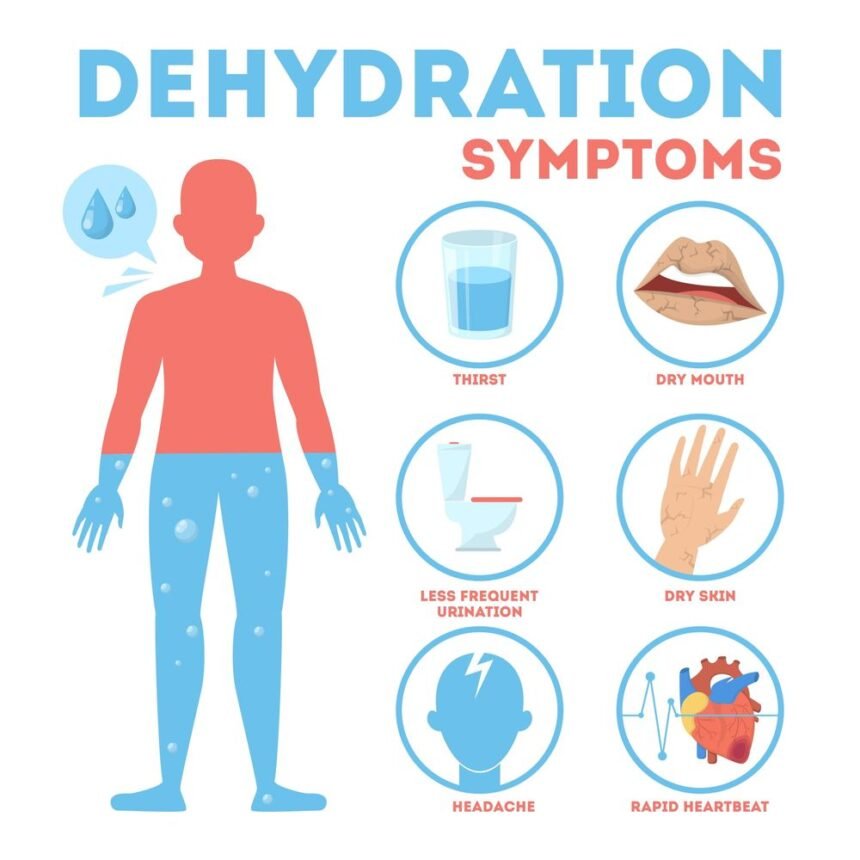
Research suggests that even mild dehydration—a loss of just 1% to 2% of body water—can impair a child’s “brain power.” This manifests as reduced concentration, poor memory, and diminished problem-solving skills. In a school setting, many children return from their morning break already mildly dehydrated after running around outside, quietly sabotaging their ability to focus for the remainder of the day.
Making hydration effortless: Experts suggest that the goal is not to force large volumes of water at mealtimes, which can diminish a child’s appetite, but to encourage regular sipping throughout the day.
To bridge the gap, Mapholi recommends making hydration “enticing.” While water should remain the primary source, naturally sugar-free and caffeine-free alternatives, such as Rooibos tea, offer a versatile base. This can be served as a warm drink, a chilled iced tea, or even frozen into fruit-filled ice lollies and slushies.
Practical Tips for Parents:
The ‘Hydration Station’: Place healthy drinks and child-friendly cups at a height where children can help themselves independently.
Eat Your Water: Incorporate high-moisture foods like watermelon, cucumber, and oranges into daily snacks.
Model the Habit: Children are mirrors; when they see caregivers choosing water or herbal infusions over sugary sodas, they are more likely to follow suit.
Ultimately, building these habits early is a vital investment. By turning hydration into a playful, accessible part of the daily routine, parents can support their children’s learning, energy levels, and long-term health.
Weekend Argus