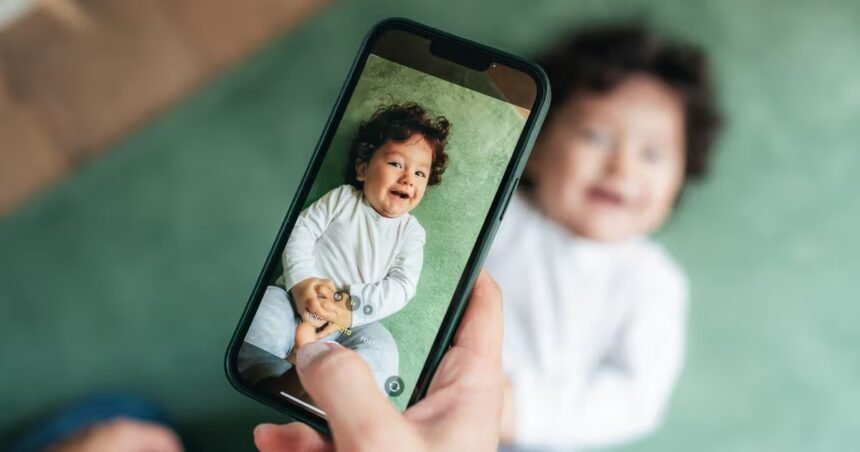
We should all know the basics of staying safe online, but one parenting coach has warned mums and dads that one thing they do on social media could have dire consequences for their children. Most of us will have the common sense not to directly share personal information with strangers, but did you know that those same rules apply to your public posts?
When a mum gives birth, it’s become commonplace for her, or the baby’s father or other family member, to put a post on social media sites like Facebook announcing the arrival of the little one. These posts will usually include the baby’s full name, as well as the time and date they were born.
But parenting coach and content creator Lucinda Rose has said that these posts are some of the “most dangerous things” parents can put on social media these days – as it could give criminals an easy way to steal your child’s identity.
She shared in a TikTok video: “Birth announcements and birthday posts on social media are two of the most dangerous things a parent can put on social media. When you think of thieves, robbers, or criminal gangs, you probably think of the movies of men with guns running into post offices or car hijacking. However, in 2026, that’s not how criminal gangs operate.
“What they need, most importantly, is data. By taking data, they can do identity theft. What data do they need? Our full names and date of birth. What do parents always put on social media as soon as they have a baby? Their child’s full name and date of birth.”
Content cannot be displayed without consent
Lucinda went on to say that some criminals will spend all day trawling social media sites looking for posts tagged with hashtags including “birth announcement” and “birthday” so that they can try to find this information. And you don’t even need to have posted a birth announcement for your child – a birthday post that says anything like “three years ago today” can tell criminals exactly when your child was born.
What parents might not realise is that if your child does have their identity stolen by criminals online, it can actually make it harder for them in adult life. They may find that when they go to take out a credit card or a mortgage, they’re unable to do so because someone has already done so in their name.
The expert added: “What’s happening is children are getting to 16, 17, 18, and they can’t get credit. They can’t get phone credit, they can’t get a car loan, they can’t get a mortgage, they can’t get a credit card because their identity has been stolen years before, because their parents have put it on the internet, and this is happening every single day.”
Many parents will put out a birth announcement on a social media platform so they can quickly tell family and friends the good news. However, Lucinda said it’s much safer to send a text message or make a WhatsApp group with all the people you want to directly give the news to.
Back in 2018, Barclays warned that “sharenting”, which is the notion of parents sharing personal information about their children online, was the “weakest link” in risking online fraud and identity theft.
They claimed that by 2030, it could cost almost £670 million in online fraud, as they predicted that there would be 7.4 million incidents per year, thanks to parents oversharing.
Jodie Gilbert, head of digital safety for Barclays, said at the time: “Through social media, it has never been easier for fraudsters to gather the key pieces of information required to steal someone’s identity. It is vital to think before you post, and to carry out regular audits of your social media accounts to prevent that information from falling into the wrong hands.”
Ensure our latest headlines always appear at the top of your Google Search by making us a Preferred Source. Click here to activate or add us as your Preferred Source in your Google search settings.
Whether it’s your own information or your children’s information, you must be careful about what you post online and who is able to see it. Fraudsters can easily string together enough personal data to impersonate someone using birthday messages, as well as things like photos of a new house that might accidentally show the house number.
You can even accidentally give away security questions by talking about your favourite sports team, where you went to school, your pets, and other personal information in public social media posts.
To keep your data safe, Barclays recommends checking your online privacy settings and thinking carefully about anything you post. If you want to share the birth of a child with your family, consider messaging them privately rather than posting publicly on social media.
Remember that social media posts are just like anything else on the internet and can be found years after they’ve been made. Always thoroughly check posts and photos before sharing them, and make sure your family members are also aware of the dangers so you don’t run into a situation where a grandparent or aunt shares your child’s birthday without realising.