Good parents are those who nurture their children, give them confidence, and deeply love their children for who they are.
But even good parents who do all of this find themselves in the middle of a summer barbecue apologizing to neighbors they don’t know very well. Because my loud, energetic, party-loving 7-year-old son takes over the karaoke machine and keeps belting out music. hamilton A song for adults. “I’m so sorry,” they say. “She’s such a ham.”
When a child leaves an adult stuck for more than five minutes listening to the child explain the latest Pokémon card he or she has found, a good parent who takes them to a Pokémon drop, trades cards, or really loves their child’s hobby might still run up to the adult and apologize, saying something like, “He’s very outgoing and into Pokémon. I’m really sorry.”
When even the best parents among us don’t want our little ones to dim their light, even for a moment, they outwardly apologize to friends, family, and strangers, telling them how sorry they are for their child’s character.
And it doesn’t feel good.
Because good parents don’t want to apologize for their child’s character, but they know how the world is. They know what it means to adapt. Sometimes it’s a way to keep yourself safe, small, and hidden. You may be able to avoid hurting feelings by adjusting your own weirdness, mannerisms, and loudness.
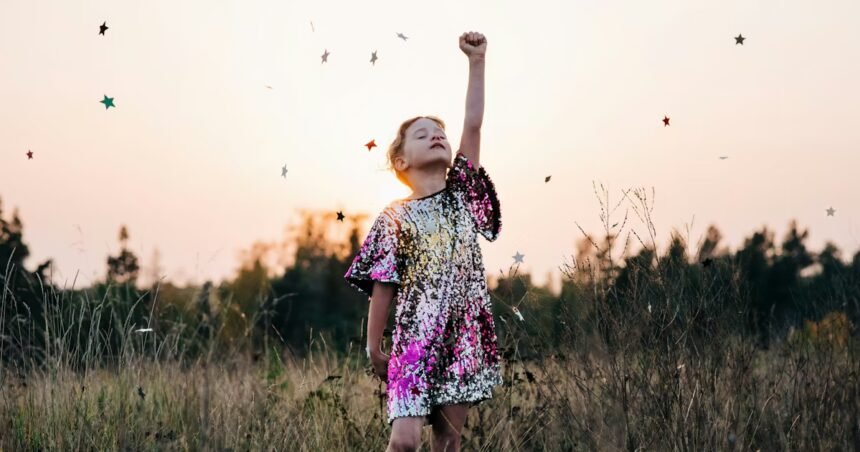
You are not denying your child’s individuality. you are trying keep that. Because no one wants their bright, fun-loving child to suddenly feel like they have to tone down because they’re being scolded for being who they are or made fun of for their brightness and fun.
“These parents are responding to a culture that treats difference as a problem,” said Dr. Rachel Loftin of Prosper Health. “Children who are loud, expressive, emotionally intense, and socially unconventional aren’t doing anything wrong; they just don’t conform to the narrow definition of what is considered acceptable in public.”
Although our intentions are good, even the most subtle apology can cause the child the exact damage we are trying to avoid. “Children may absorb the message that being who they are is inconvenient and embarrassing,” says Loftin. “Over time, it can shape their own views much more than the reactions of strangers.”
She says a more positive approach is to move from apologies to “context and confidence.” So when your child has a big reaction to ice cream cake at a birthday party or gets emotional because you know others might think differently, you can say something like, “They process things a little differently,” or “They’re really excited, and this is how it shows.”
If necessary, Loftin says, you can even set clear boundaries with other adults that say you don’t think there’s anything wrong with your child’s personality, saying, “I don’t care about their behavior.” This can model proprioception for your baby.
“It’s hard to let go of the urge to apologize, because many parents also overcome the fear of being judged or excluded,” she added. “But it’s helpful to think this way: Is my child actually in harm’s way, or is he just making others uncomfortable? Discomfort often comes from something you’re not used to, not because something is wrong.”
Honestly, your children will build confidence by being themselves unashamedly over and over again, knowing that you won’t shame or apologize to them. “The goal is to develop people who know they don’t have to shrink to belong,” says Loftin. And if they find themselves being judged, made fun of, or treated differently for their actions, seeing your reaction, a way to remind them that their character doesn’t need any kind of apology or absolution, will stick with them more than anything else.
And they will keep going.