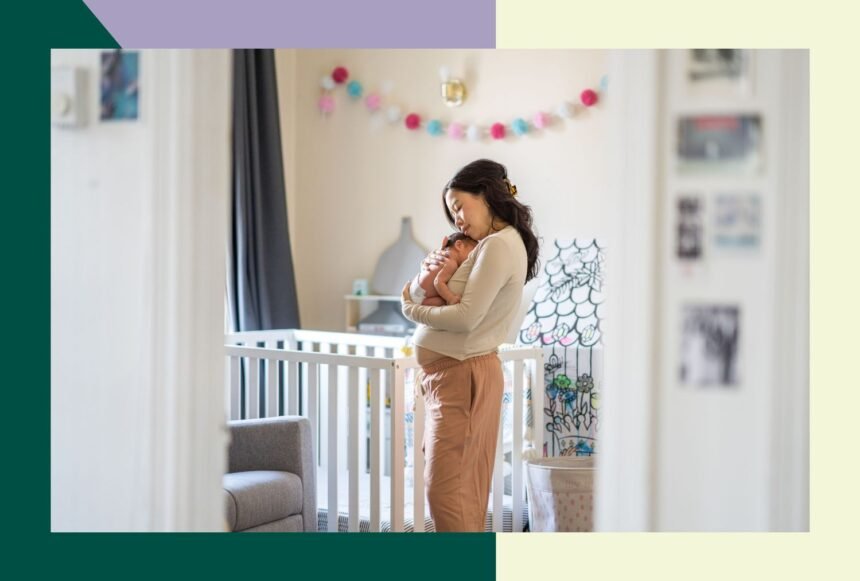
When you have a newborn, especially if it’s your first child, there’s nothing more perplexing and frustrating than your child’s sleep patterns. Parents may have a hard time getting their child to sleep or keep them asleep, and may even take a long time to make a decision. where They should sleep in their crib, bassinet, or even their parents’ bed. This powerful mix of trial-and-error learning experiences, fatigue, and frustration can lead parents to make unsafe sleep decisions just to get a few hours of uninterrupted rest.
I can understand the situation, but still essential To keep parents informed about best practices for the safest sleep settings for their babies. Unfortunately, it may be even harder for sleep-deprived parents to find the resources they need right now. Recently, the National Institute of Child Health and Human Development closed the office that managed its “Safe Sleep” campaign. The campaign distributed information to new parents that has saved the lives of thousands of babies in the 30 years since the campaign was launched.
But that doesn’t mean new parents are left in the dark. Below, we’ve put together a guide to help your baby sleep in the safest environment possible. Here’s what you need to know about where your baby should sleep, how long they should sleep, and which sleep habits to avoid.
First, let’s know the basics of safe sleep.
Whether they want to sleep all the time, have different days and nights, or need to be held most of the time, infant sleep is a complex process that takes time to stabilize, especially as they get used to life outside the womb.
3,500 babies die unexpectedly in their sleep each year in the United States Most often, these deaths are caused by suffocation, strangulation, or Sudden Infant Death Syndrome (SIDS). To reduce the possibility of these tragedies, the American Academy of Pediatrics (AAP) has created a number of safe sleep guidelines to help parents help their babies sleep safely.
One way to communicate these guidelines is the phrase “The ABCs of Sleep.” This is an easy way to remind parents like you that your baby should be put to sleep alone (A), on his back (B), or in a crib without blankets, toys, or other objects at every bedtime (C). By following the ABCs, you can make your baby’s sleep as safe as possible.
create a safe place to sleep
One of the best ways to keep your baby safe while sleeping is to create a safe place for your baby to sleep. For example, your baby should sleep in a crib or basket net with a firm, flat mattress and fitted sheet. Do not put other items in the crib with your baby, such as bumper pads, blankets, pillows, or soft toys.
You may be worried that your baby will be cold without a blanket, but regardless of the temptation, don’t add a blanket to the crib (you can use a swaddle instead, which we’ll discuss later).
It is also important to make your home smoke-free. This means not smoking or allowing others to smoke in the house or around your baby. Second-hand smoke not only stunts lung development, but also increases the risk of SIDS and serious health problems.
Take steps to reduce SID risk
There’s no way to completely prevent SIDS, and researchers still don’t know what causes it, according to the National Institutes of Health. However, there are things you can do to reduce the risk. First, make sure your baby has a safe place to sleep and follow the ABCs of safe sleep, especially during the first year of life.
Researchers found that SIDS is most prevalent between one and four months of age, declines after six months of age, and more than 90% of deaths occur before the six-month birthday. Here are ways you can reduce your risk of SIDS:
- Lay your baby on his back, never on his stomach or side.
- Do not place toys, blankets, bumpers, etc. in the crib.
- Avoid using positioners and other gadgets
- Keep the room at a comfortable temperature and avoid overheating
- Allow your baby to sleep in your room instead of your bed.
- Consider giving your baby a pacifier
- According to the U.S. Consumer Product Safety Commission, there’s no evidence that SIDS devices and devices effectively reduce risk to your baby, and they’re not a substitute for safe sleep habits, so it’s safe to skip them.
- There’s also some evidence that breastfeeding may reduce the risk of SIDS
Understand the risks of sleeping in swings, car seats, etc.
Although it may be tempting, especially if your baby doesn’t sleep well in a crib or bassinet, you should avoid putting your baby to sleep on the couch, armchair, or mom’s bed. If your child falls asleep in a swing, bouncy chair, stroller, or even car seat, they should be moved to a crib, bassinet, portable crib, or play yard as soon as possible, except when they are in the car.
Researchers have found that infants who sleep upright are at risk of suffocation, especially if their heads are tilted to the side and breathing is restricted. One study found that of the approximately 12,000 infant deaths studied, 3% occurred in sitting devices, and 35% of those sitting devices were baby swings.
Choose the correct sleeping position
It is essential to put your baby to sleep on his back. Researchers have found that this is the safest position for babies, and babies are less likely to die unexpectedly than sleeping on their stomachs.
Even if you have acid reflux issues, sleeping on your side is not recommended. The main problem with side sleeping is that it makes your baby more prone to lying on his stomach, increasing the risk of SIDS.
Choose room sharing over bed sharing
The AAP recommends that babies be roomed with their babies until they are at least 6 months old. Not only does this make it easier to reassure and care for your baby, but studies have shown that having a crib or bassinet in the room can reduce the risk of SIDS by up to 50%. It’s also much safer than sleeping in the same bed, which can increase the risk of injury, suffocation, and even SIDS.
You should also avoid falling asleep with your baby in other areas, such as soft chairs or sofas. Babies are up to 67 times more likely to suffer sleep-related deaths if they sleep with their mothers on cushions, sofas, chairs, etc.
Make appropriate decisions regarding swaddles, blankets, etc.
When it comes to infant sleep, you probably know that putting a blanket over a sleeping baby is a big no-no, especially between the ages of 12 and 18 months. However, a swaddle or sleeping bag may be a way to comfort your baby and keep him warm during the colder months. The important thing is to know how to use them safely.
For example, it’s generally safe to swaddle your baby until he’s 3 to 4 months old or shows signs of learning to roll over. Also, make sure the swaddle is snug but not too tight, and avoid adjusting the material so it’s too close to your face. A sleeping bag is a wearable blanket that can be wrapped around your baby with a zipper or snap for ease of use.
However, you should avoid using heavy sleeping bags. These are not safe for babies as they can impair your baby’s ability to wake up from sleep and increase the risk of SIDS.
Avoid unsafe sleep products
It’s only natural to want to create a cozy space for your baby to sleep, but you don’t want to sacrifice your baby’s safety in the process. For this reason, there are many sleep products that you should avoid to keep your baby safe while sleeping. High on the list are things like crib bumpers, loose sheets, stuffed animals, and blankets.
Also avoid crib tents, sleep positioners, wedges, and bedside sleepers. None of these products are safe for your baby and can increase the risk of death or injury while sleeping. In other words, a product should not be used if it increases the risk of entrapment, suffocation, or strangulation for the baby.
Know how much sleep you need
Perhaps one of the most difficult aspects of infant sleep is knowing how long your baby should sleep. In fact, most new parents are surprised at how much their newborn sleeps in the first few weeks. However, if your baby sleeps too much or is difficult to wake from a sleeping position, you should seek immediate medical attention.
Ideally, newborns should wake up and eat every two to three hours. For sleep-oriented parents who just want to stay in bed, that may seem like a frequent occurrence. While it’s important to get a good night’s sleep during the first few weeks, you should also make sure to eat regularly.
Breastfed babies can expect to complete 10 to 12 feedings in 24 hours, and bottle-fed babies can expect to complete about 8 feedings in 24 hours. If your baby is still asleep after 3 hours, wake him up.
Other important sleep tips
Every baby has a unique sleep pattern, but this doesn’t even begin to address how taxing it can be for sleep-deprived parents to deal with the long days and sleepless nights that sometimes come with welcoming a baby.
That’s why it’s helpful to know some safe sleep tips to help you and your baby get more sleep. Here are some things you can try to improve your baby’s sleep without relying on devices that claim to promote sleep.
- Establish a bedtime routine early. Babies receive sleep time cues from their environment, and following the same routine every night provides some predictability, which may ultimately lead to more restful sleep.
- Make your baby sleepy. Once you get into the habit of rocking your baby to sleep, your baby will begin to fall asleep that way. Instead, try putting your child in the crib when they are sleepy but still awake.
- Aim for an early bedtime. This can be difficult, especially if you’re working, but aim for an earlier bedtime for your child, around 7 or 8 p.m.
- Make naps a priority. Babies who get enough rest sleep better at night, and naps are an important part of the process of getting your baby to sleep at night. Therefore, if you can, try not to miss a nap.
- Approach sleep training with caution. There are many different sleep training methods to get your baby to sleep, but not all of them are right for you and your baby. If your baby has trouble falling asleep, discuss your concerns with your pediatrician. They may be able to provide helpful suggestions and tips.